Raydium'in güncel fiyatı nedir?
Raydium'in güncel fiyatı ₺100,07 ve son 24 saatte %7,07 değişim göstermiştir.
Arz ve ATH/ATL verileri CoinGecko tarafından sağlanır

Yalnızca Hyperliquid sürekli vadeli işlemleri. Her 5 dakikada bir örnek; her tarafta en fazla 20 fiyat seviyesi. Bu seviyelerin ötesindeki likidite bilinmiyor. Bu, tasfiye haritası veya gerçekleşme tahmini değildir.
Kayıtlı örnekler yükleniyor…
Fiyatlar ve nominal değerler, USDC teminatlı USD eşdeğeri platform birimleridir. Kur dönüşümü uygulanmaz. Nominal değer = platform fiyatı × baz varlık miktarı. Sözleşme özellikleri
Kaynak zamanları ve kapsamıyla türev ve eşleştirilmiş ekosistem verileri.
Raydium, Solana üzerinde çalışan bir otomatik piyasa yapıcıdır ve Solana tokenlarına ilişkin işlemlerin sonuçlandığı başlıca platformlardan biridir. Likiditeyi aynı zamanda merkezi bir limit emir defterine yönlendiren bir AMM olarak başladı; böylece likidite sağlayıcıları yalnızca takaslardan değil, emir defteri akışından da kazanç elde ediyordu. Bugün birden fazla havuz türü, bir vadeli işlem (perpetual futures) arayüzü ve bir lansman platformu işletiyor ve her işlem ücretinin sabit bir bölümünü RAY satın almaya yönlendiriyor.
Resmî kaynaklar:
Raydium 21 Şubat 2021'de yayına girdi. Kurucu ekip takma adlıdır; algoritmik işlem geçmişine sahip AlphaRay, XRay ve GammaRay adlarıyla bilinir. Bu durum, AMM likiditesini Serum'un emir defterine yönlendirme yönündeki ilk kararda kendini gösterir; FTX'in çöküşünün ardından Serum terk edilince Raydium, OpenBook forkuyla entegre oldu. Orderly Network altyapısıyla çalışan Raydium Perps 9 Ocak 2025'te, LaunchLab ise 16 Nisan 2025'te devreye girdi.
Standart AMM v4 havuzları, sabit %0.25 takas ücreti olan eski sabit çarpım havuzlarıdır. CPMM havuzları, sabit çarpımın daha yeni uygulamasıdır ve %0.01, %0.25 ile %1 kademelerine sahiptir. CLMM havuzları ise sağlayıcının bir fiyat aralığı seçtiği yoğunlaştırılmış likidite havuzlarıdır ve %0.01, %0.05, %0.25 ile %1 kademelerine sahiptir.
Ücret dağılımı, token ekonomisinin oturduğu yerdir. CLMM ve CPMM havuzlarında işlem ücretinin %84'ü likidite sağlayıcılarına, %12'si RAY geri alımlarına ve %4'ü hazineye gider; AMM v4'te ise hazine payı olmadan %88 ve %12 şeklindedir. Bunlar işlemin değil, ücretin paylarıdır: %0.25'lik bir ücrette geri alım payı, işlem gören tutarın %0.03'üne denk gelir. Geri alım ücretleri 10 ABD doları değerine ulaştığında otomatik olarak tahsil edilir ve RAY satın almak için kullanılır.
RAY'in maksimum arzı 555.000.000'dir ve mint yetkisi devre dışı bırakıldığı için ek arz yaratılamaz. Dağılım; %34 madencilik rezervi, %30 ortaklıklar ve ekosistem, %20 ekip, %8 likidite, %6 topluluk ve tohum turu, %2 danışmanlar şeklindeydi; ekip ve tohum turu hak ediş süreci Şubat 2024'te tamamlandı. Raydium'un dokümantasyonu, takas yapmak, likidite sağlamak, havuz oluşturmak veya vadeli işlem yapmak için RAY'in gerekli olmadığını belirtir.
Geri alım tasarımı takdire bağlı değil, mekaniktir: her işlem ücretinin sabit %12'si RAY'e çevrilir ve kamuya açık bir adreste tutulur; böylece kullanım ile token talebi arasındaki bağ zincir üstünde doğrulanabilir. Raydium ayrıca Solana tokenlarının doğduğu noktada konumlanır; LaunchLab tokenları onun havuzlarına mezun olduğu için bir tokenın yaşamının erken evresinde ücret akışını yakalar.
Jupiter, farklı platformlar arasında yönlendirme yapan bir toplayıcıdır; kullanıcı için rekabet ederken likiditeyi Raydium'dan alır. Orca ve Meteora, Solana AMM'leri olarak doğrudan rakiptir. Uniswap'in Ethereum üzerinde benzer bir yoğunlaştırılmış likidite modeli vardır, ancak fee switch'ini kapalı tuttuğu için UNI'nin Raydium'un otomatik geri alımına karşılık gelen bir mekanizması yoktur.
Raydium'un havuz programları Solana akıllı sözleşmeleridir; dolayısıyla yürütme ve mutabakat Solana'nın konsensüsünü devralır. 16 Aralık 2022'de bir saldırgan, AMM v4 havuzunun sahiplik yetkisinin kontrolünü ele geçirerek yaklaşık 4.4 milyon ABD doları çekti. Raydium bunu havuz matematiğindeki bir kusura değil, sahibin özel anahtarının ele geçirilmesine bağladı. Dört saat içinde yetki iptal edildi ve sahiplik bir donanım cüzdanına taşındı.
Ekip takma adlıdır ve 2022'deki olay, saldırı yüzeyinin yalnızca sözleşme mantığından değil, ayrıcalıklı anahtarlardan da oluştuğunu gösterdi. Likidite sağlayıcıları geçici kayıpla (impermanent loss) karşı karşıyadır; bu risk yoğunlaştırılmış pozisyonlarda büyür, çünkü aralığının dışına çıkan bir pozisyon ücret kazanmayı bırakır ve tek bir varlığa dönüşür. Ücret geliri, büyük bölümü kısa ömürlü spekülatif lansmanlardan gelen Solana aktivitesini izler ve lansman platformları mezuniyet akışını kendi bünyelerinde tutmak için kendi AMM'lerini kurabilir. Ayrıca RAY'in ücretler üzerinde doğrudan bir hak talebi yoktur; geri alımlar tokenları sahiplere dağıtmak yerine bir adreste biriktirir.
Raydium, Solana üzerindeki en büyük zincir üstü likidite kaynaklarından biridir ve orada başlatılan tokenlar için varsayılan bir adrestir; ücret paylaşımı da alışılmadık ölçüde okunaklıdır.
RAY birçok büyük merkezi borsada listelenmiştir ve Raydium'un kendisi ile diğer Solana platformlarında işlem görür. Ticker'ı yeniden kullanan taklit tokenlar yaygın olduğundan, zincir üstünde takas yapmadan önce 4k3Dyjzvzp8eMZWUXbBCjEvwSkkk59S5iCNLY3QrkX6R mint adresini doğrulayın.
RAY, Phantom, Solflare ve Backpack dahil olmak üzere herhangi bir Solana cüzdanında tutulabilir; daha büyük bakiyeler için Ledger kullanılabilir. RAY stake etmek veya likidite sağlamak için kendi kendine saklama (self-custody) gereklidir.
Raydium canlı fiyatını, grafiğini, piyasa değerini ve hacmini anlık olarak takip edin. Gerçek para kullanmadan önce CoinRithm'de Raydium için mock trading ve demo trading pratiği yapın.
Kripto paper trading hesabı ile Raydium için demo trading yapın; gerçek zamanlı fiyatlar, AI trade feedback ve trading ligleri ile pratik yapın. Stratejileri test edin, risk yönetimini öğrenin ve Raydium için gerçek para kullanmadan önce güven kazanın.
Paper trading rehberinin tamamını okuRaydium'in güncel fiyatı ₺100,07 ve son 24 saatte %7,07 değişim göstermiştir.
Günlük işlem hacmi ₺512.305.833 ve son 24 saatte %54,24 değişim yaşanmıştır.
Raydium'in piyasa değeri ₺27.015.958.780, küresel sıralamada #95.
Raydium'in tam seyreltilmiş değeri (FDV) ₺55.540.297.421 olup, maksimum 555.000.000 RAY arzı varsayımıyla hesaplanmıştır.
Dolaşımda: 269.963.573. Toplam: 555.000.000. Maksimum: 555.000.000.
Son 24 saatte Raydium, ₺92,49 ile ₺103,44 arasında işlem görmüştür.








 RAY/USDTTether USDT2,02 USDT
Anyscale announced a Special Interest Group to expand Ray support for GPUs, TPUs and other accelerators across testing, scheduling and transport. (Read More)

Anyscale and Google Cloud said Ray now supports PyTorch on Google TPUs natively on GKE, with one worker per TPU chip and TPU-aware scheduling. (Read More)

AnyScale outlines KubeRay as the operator for running Ray clusters, jobs and Serve apps on Kubernetes. (Read More)
An AnyScale explainer says KubeRay brings RayCluster, RayJob and RayService to Kubernetes-native lifecycle management and autoscaling. (Read More)
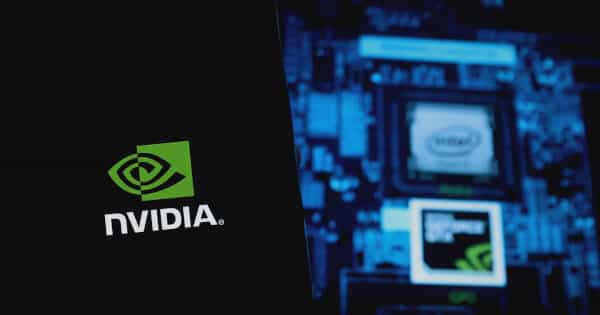
NVIDIA unveils cuPhoton, a GPU-accelerated toolkit designed to revolutionize image processing for high-throughput scientific instruments like telescopes and X-ray facilities. (Read More)
Ray Summit 2026 showcased cutting-edge AI breakthroughs, from NVIDIA's RL scaling to Lila Sciences' physical AI pipelines. Here's what mattered. (Read More)