Casper'in güncel fiyatı nedir?
Casper'in güncel fiyatı ₺0,1132 ve son 24 saatte %1,93 değişim göstermiştir.
Arz ve ATH/ATL verileri CoinGecko tarafından sağlanır

Yalnızca Hyperliquid sürekli vadeli işlemleri. Her 5 dakikada bir örnek; her tarafta en fazla 20 fiyat seviyesi. Bu seviyelerin ötesindeki likidite bilinmiyor. Bu, tasfiye haritası veya gerçekleşme tahmini değildir.
Kayıtlı örnekler yükleniyor…
Fiyatlar ve nominal değerler, USDC teminatlı USD eşdeğeri platform birimleridir. Kur dönüşümü uygulanmaz. Nominal değer = platform fiyatı × baz varlık miktarı. Sözleşme özellikleri
Kaynak zamanları ve kapsamıyla türev ve eşleştirilmiş ekosistem verileri.
Casper, proof of stake ile WebAssembly akıllı kontratlarını eşleştiren, herkese açık ve izinsiz bir katman 1 blok zinciridir. Ana ağı Mart 2021'de canlıya alındı ve İsviçreli bir kâr amacı gütmeyen kuruluş olan Casper Association tarafından yönetiliyor. Doğal olarak yükseltilebilir kontratlar ve protokol düzeyinde erişim kontrolü kullanarak gerçek dünya varlıklarını ve düzenlenmiş süreçleri zincire taşımaya odaklanıyor. CSPR, hesaplama için ödeme yapar ve doğrulayıcıların bağladığı varlıktır.
Resmi kaynaklar:
Casper, 2018 yılında Mrinal Manohar ve Medha Parlikar tarafından sırasıyla CEO ve CTO olarak kurulan CasperLabs tarafından inşa edildi. Ana ağ ve Casper Association'ın ikisi de Mart 2021'de başlatıldı; yönetimi Association devraldı ve CSPR'nin bir kısmı CoinList üzerinde yapılan halka açık bir satış yoluyla dağıtıldı. O zamandan beri liderlik değişti: Mayıs 2025'teki Casper 2.0 duyurusu, Matt Schaffnit'i CEO ve Michael Steuer'i CTO olarak gösterdi.
Doğrulayıcılar blok üretmek için CSPR bağlar ve düğüm çalıştırmayan sahipler, ödüllerden pay almak için stake'lerini delege eder. Orijinal konsensüs protokolü Highway'in yerini, 6 Mayıs 2025'te ana ağa ulaşan ve zinciri deterministik nihailiğe taşıyan Casper 2.0 yükseltmesinde Zug aldı. Yürütme WebAssembly tabanlıdır, kontratlar genellikle Rust ile yazılır ve Casper 2.0, iş yüklerini bir rollup'a itmek yerine tek bir zincir üzerinde paralel çalışan birden fazla sanal makine ekledi. Kullanılmayan gaz, gönderene iade edilir.
CSPR, gaz için ödeme yapar ve doğrulayıcılar ile delegatörler için staking varlığıdır; chainspec değişiklikleri doğrulayıcı kümesi tarafından yürürlüğe konduğundan, stake yönetişim ağırlığı taşır. Ücret işleyişi kendisi bir yönetişim meselesidir: Haziran 2025'te yayımlanan "Enable Burning Mechanism" başlıklı bir forum önerisi, chainspec'i işlem ücretlerini tamamen yakacak şekilde değiştirmeyi amaçladı ve doğrulayıcılardan güçlü destek aldı. Chainspec ayarları yükseltmelerle değiştiğinden, bunun aktif olup olmadığını sürüm notlarında doğrulayın.
Kontratlar, proxy desenleri yerine protokol düzeyinde doğal olarak yükseltilebilir. Hesaplar ve kontratlar, ağırlıklı izinleri ve çoklu imza kurallarını doğrudan destekler; bu da işletmelerin eylemleri gerçekte nasıl yetkilendirdiğiyle örtüşür. Zincir ayrıca doğal olarak birden fazla sanal makine çalıştırır, böylece uygulamaları ayrı bir katmana taşımadan yürütme ortamları eklenebilir.
Ethereum çoğunlukla rollup'lar aracılığıyla ölçeklenirken, Casper yürütmeyi temel katmanda tutar ve orada sanal makineler ekler. Cardano ve Tezos, biçimsel titizlik ve zincir üstü yükseltmelere verilen önemi paylaşır, ancak Casper'ın ayırt edici özelliği kurumsal izin yönetimi ve birinci sınıf yükseltilebilirliktir. Genel olarak hızlı nihailik sunan zincirlere kıyasla iddiası verim değil, denetlenebilirliktir.
Güvenlik, bağlanmış CSPR'ye ve doğrulayıcıların ne kadar geniş dağıldığına dayanır. Zug altında nihailik deterministiktir, bu nedenle nihai hale getirilmiş durumu tehdit etmek, dürüst katılımcılardan daha fazla blok üretmek yerine stake'in büyük bir kısmını kontrol etmeyi gerektirir. Düğüm yazılımı açık şekilde geliştirilir ve protokol değişiklikleri, doğrulayıcılar tarafından yürürlüğe konmadan önce kamuya açık önerilerden geçer.
Genel amaçlı katman 1 zincirler, kriptonun en kalabalık kategorisidir ve geliştirici ilgisini kazanmak zordur. Gerçek dünya varlığı tezi, düzenlenmiş kurumların gerçekten devreye girmesine bağlıdır ki bu da yavaş ve belirsizdir. Casper 2.0 konsensüsü ve yürütmeyi yeniden yazdı ve bu büyüklükteki yükseltmeler uygulama riski taşır. Ücret yakma yalnızca gerçek kullanımla orantılı olarak kıtlık yaratır ve yönetişim doğrulayıcılar aracılığıyla işlediğinden, stake yoğunlaşması kararları da yoğunlaştırır.
Casper, kurumsal biçimli gereksinimleri uygulamalara bırakmak yerine temel protokole yerleştiren nadir katman 1 zincirlerden biridir. Gerçek bir soruya kendine özgü bir yanıttır: üzerindeki varlıklar düzenlenmiş araçlar olsaydı bir zincir nasıl görünmesi gerekirdi.
CSPR, çok çeşitli merkezi borsalarda işlem görüyor ve projenin sitesi Kraken, Crypto.com ve OKX dahil platformlara işaret ediyor. Erişilebilirlik yargı alanına göre değişir. CSPR yerel bir katman 1 coin'i olduğundan, çekimler bir Ethereum veya Solana adresine değil, bir Casper adresine gider.
CSPR, Casper ağını destekleyen bir cüzdan gerektirir. Yaygın kullanılan seçenekler arasında Casper tarayıcı uzantısı cüzdanı ve cspr.live'a entegre cüzdan bulunur; ikisi de bir doğrulayıcıya delegasyon yapılmasına izin verir. Casper desteği listeleyen donanım cüzdanları, daha büyük bakiyeler için anahtarları çevrimdışı tutar. Borsada saklama, sizi anahtarlar olmadan ve genellikle delegasyon olmadan bırakır.
Casper canlı fiyatını, grafiğini, piyasa değerini ve hacmini anlık olarak takip edin. Gerçek para kullanmadan önce CoinRithm'de Casper için mock trading ve demo trading pratiği yapın.
Kripto paper trading hesabı ile Casper için demo trading yapın; gerçek zamanlı fiyatlar, AI trade feedback ve trading ligleri ile pratik yapın. Stratejileri test edin, risk yönetimini öğrenin ve Casper için gerçek para kullanmadan önce güven kazanın.
Paper trading rehberinin tamamını okuCasper'in güncel fiyatı ₺0,1132 ve son 24 saatte %1,93 değişim göstermiştir.
Günlük işlem hacmi ₺27.430.219 ve son 24 saatte %26,12 değişim yaşanmıştır.
Casper'in piyasa değeri ₺1.967.246.939, küresel sıralamada #367.
Casper'in tam seyreltilmiş değeri (FDV) ₺2.274.774.260 olup, toplam 20.091.454.315 CSPR arzı varsayımıyla hesaplanmıştır.
Dolaşımda: 17.375.285.409. Toplam: 20.091.454.315. Maksimum: N/A.
Son 24 saatte Casper, ₺0,1110 ile ₺0,1163 arasında işlem görmüştür.










 CSPR/USDTTether USDT0,002283 USDT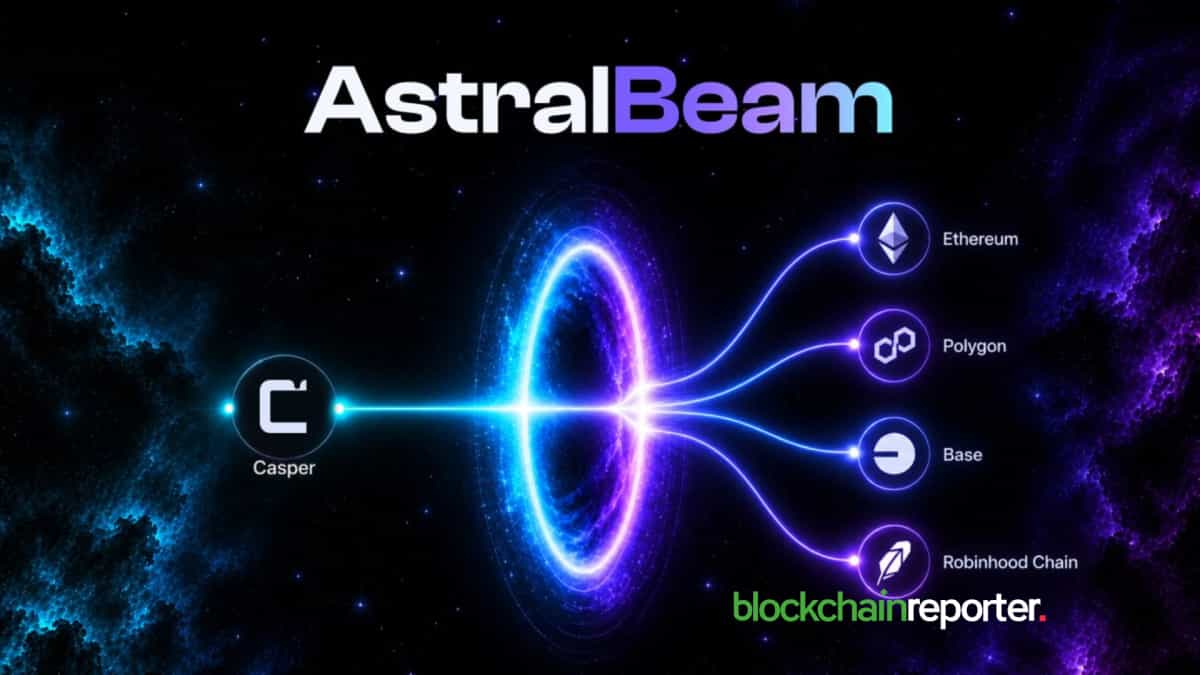
AstralBeam lands on Casper to connect tokenized RWAs across major blockchains while preserving compliance through the T-REX Ledger and ERC-3643 standard.

Casper has launched an AI-focused toolkit on its mainnet, introducing what the network describes as a production-ready stack that allows autonomous agents to both make blockchain-based payments and build decentralized applications without human involvement. According to a press release shared…
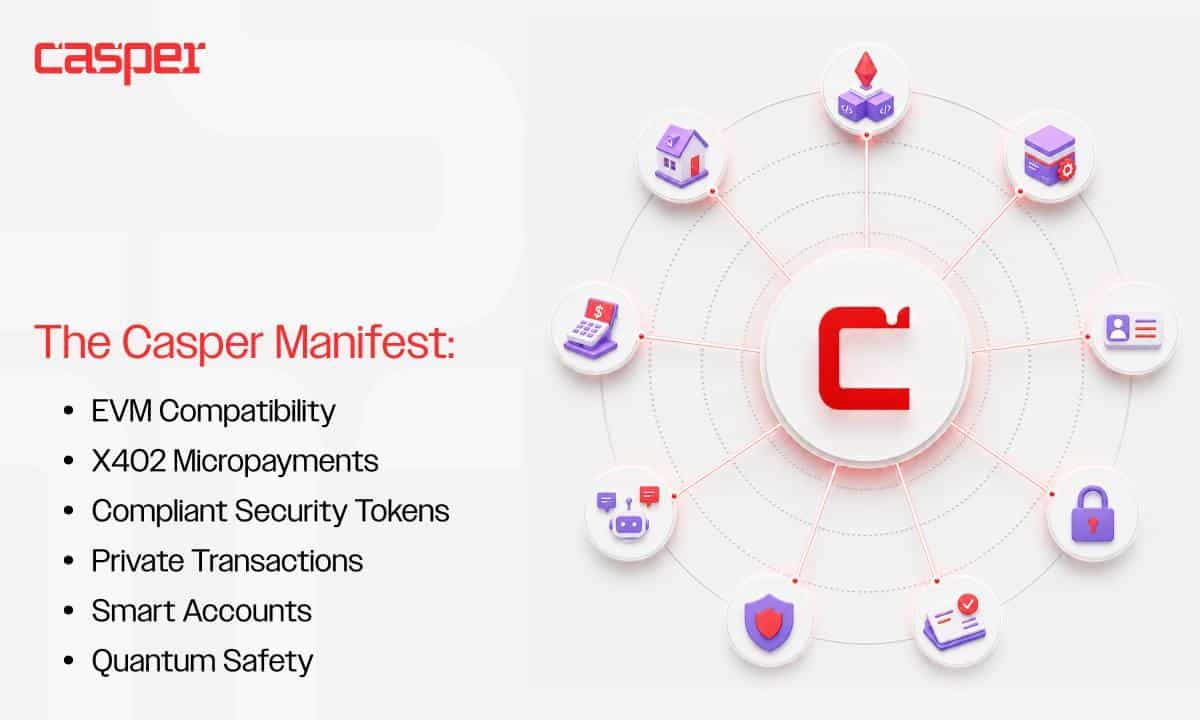
ZUG, SWITZERLAND, 12th May 2026, Chainwire

Your look at what's coming in the week starting March 23.

Ethereum co-founder Vitalik Buterin backs a controversial shift from Casper FFG to Minimmit, betting that making censorship harder matters more than preserving textbook fault‑tolerance as ETH trades near $2,000. Vitalik Buterin has put his weight behind one of the most…